
 Image is illustrative and does not show Hyde Park Pharmacy premises or staff.
Constipation is common. Changes to food, drink and routine can ease it, and a pharmacist can help if they do not. This guide covers what helps, how long to try it, and the signs that mean you should see someone.
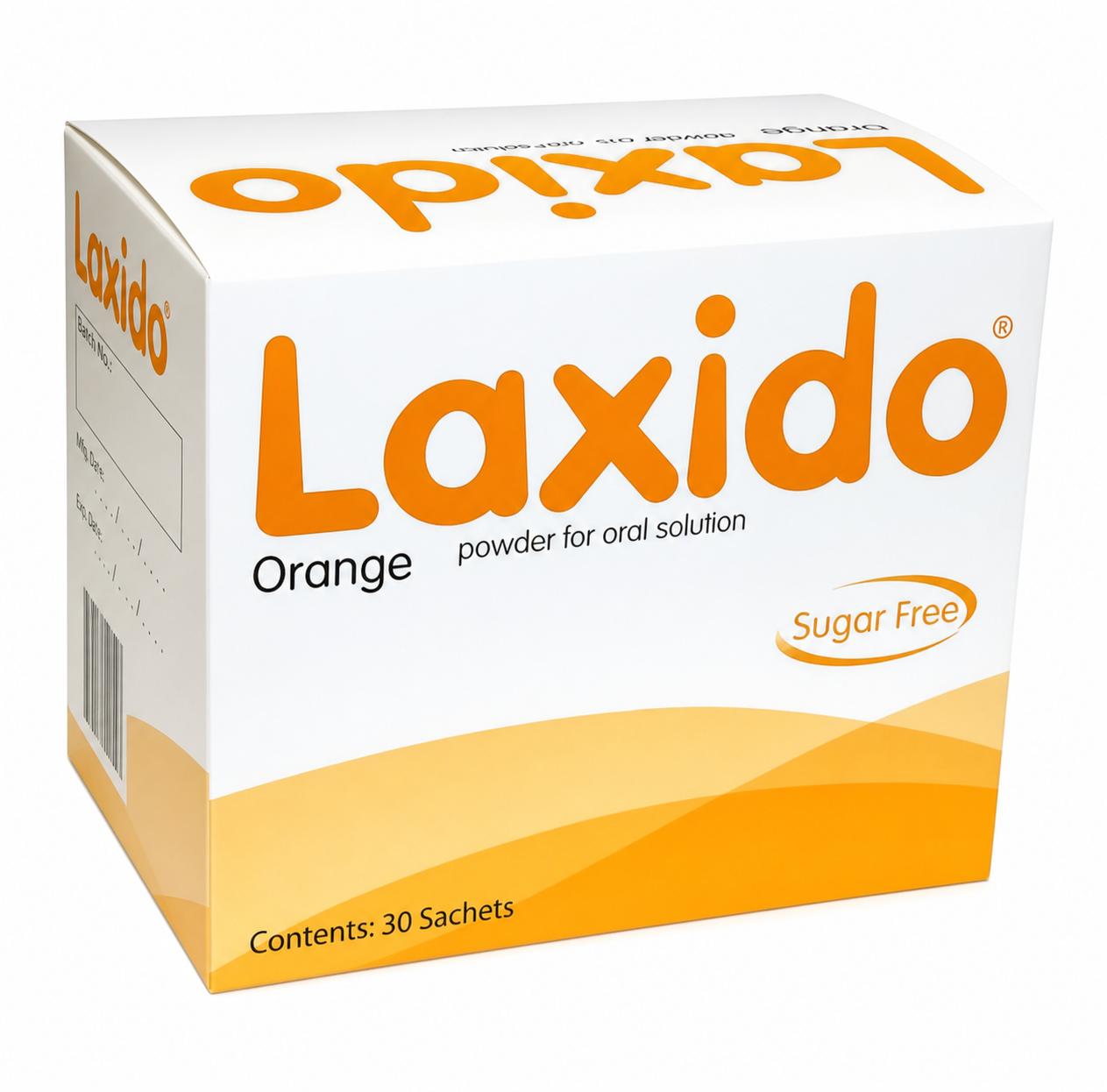
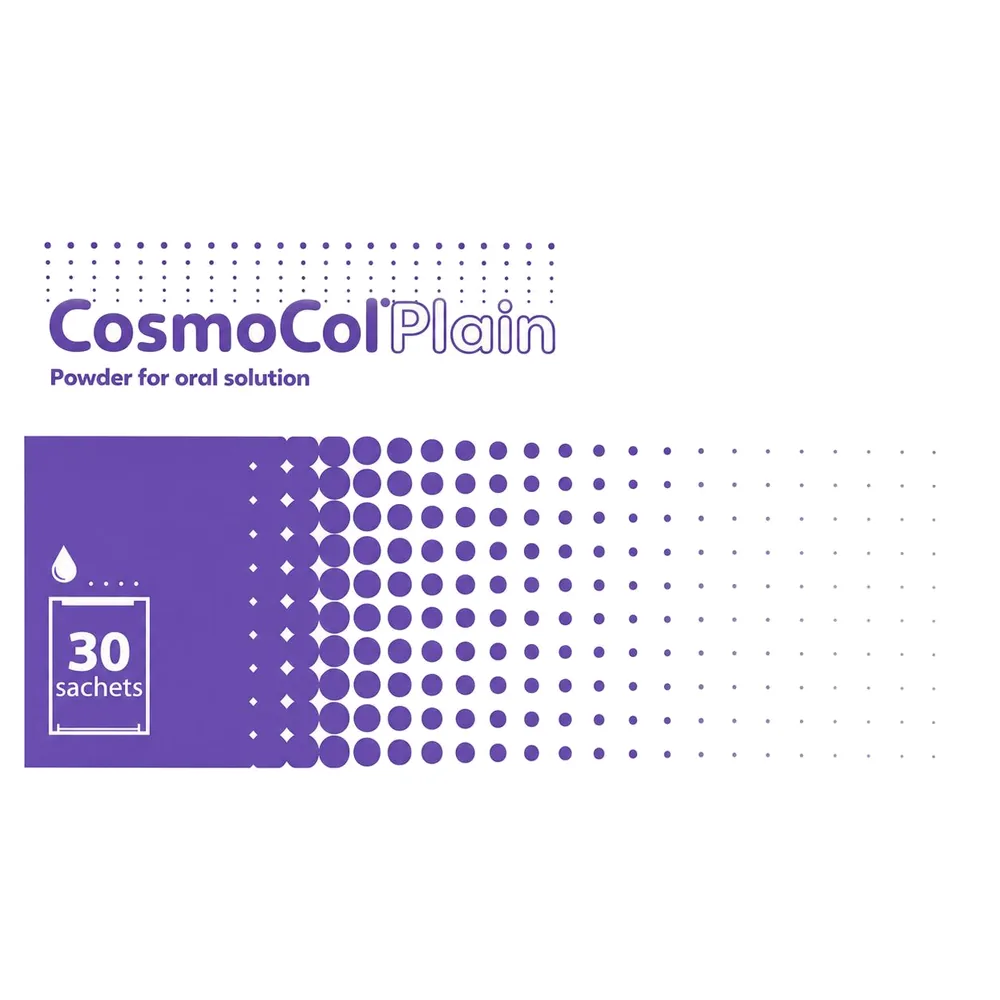
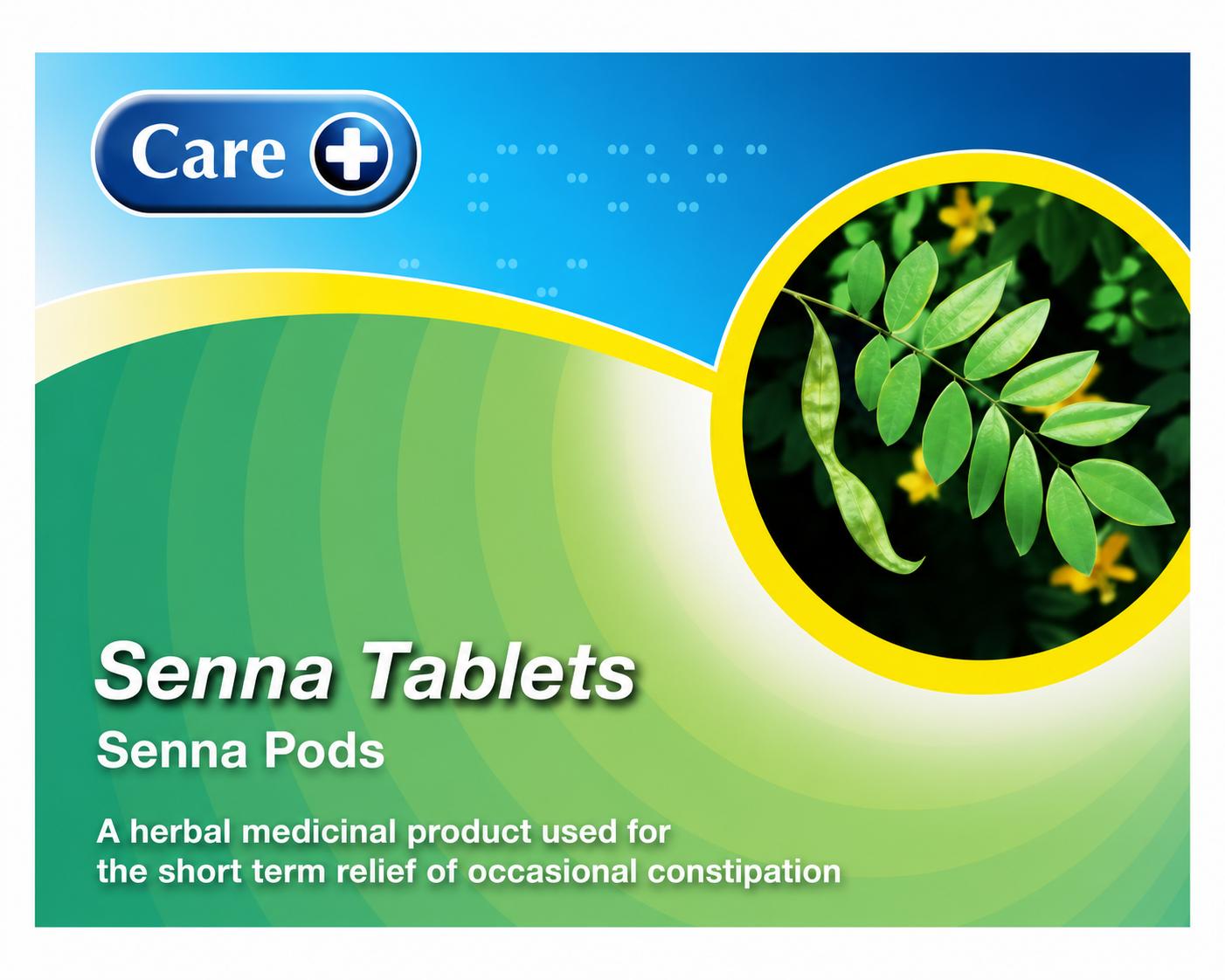
Laxido Orange CosmoCol Macrogol 3350 Sachets Senna 7.5 mg Tablets
What is constipation?
The NHS describes constipation as opening your bowels less often than usual, with stools that are hard, dry or lumpy and difficult to pass. It can come with tummy ache, bloating and a feeling that your bowel has not emptied.
Common causes listed by the NHS include too little fibre, too little fluid, not being active and ignoring the urge to go. Stress, a change in routine, pregnancy and some medicines can also play a part. If you take regular medicines, ask us whether one of them could be the cause before you treat the symptom.
What helps first
The NHS advice starts with everyday changes. Eat more fibre-rich food, drink enough fluid, move around more, and go when you feel the urge instead of holding on. A regular daily routine helps some people.
The NHS lists these changes together. Add fibre gradually, because a sudden jump can cause wind and bloating. These steps take time to work, so give them a fair try before moving on.
Laxatives: the kinds on the shelf
If lifestyle changes are not enough, a pharmacist can talk you through a laxative. The NHS groups them by how they work. Here is what the names you search for fall under.
- Bulk-forming. These add bulk to stools and need plenty of fluid. Fybogel contains ispaghula husk, and its patient leaflet gives the directions.
- Osmotic. These draw water into the bowel to soften stools. Macrogol sachets such as Laxido and CosmoCol are mixed with water as the leaflet directs.
- Stimulant. These stimulate the bowel muscles. Senna tablets (often searched as "senna pil") are one example, and the NHS notes they can cause stomach cramps.
- Stool softeners. Docusate (the NHS lists brands such as Dioctyl and Dulcoease) makes stools softer and easier to pass. Ask us what we have in stock.
Micralax is used differently: it is a micro-enema that goes into the back passage, not a tablet or sachet. Read its patient leaflet closely and ask us if you are unsure.
How long to try it
Give the food, drink, toilet routine and activity changes a fair try first. If they have not helped, ask a pharmacist about a laxative, as the NHS advises.
Laxatives are generally meant for short-term use. The NHS says that if you have used laxatives for 3 days and they have not helped, you should speak to a doctor or pharmacist. If you keep needing one, speak to a pharmacist or GP rather than carrying on.
Who should check before buying a laxative
A laxative is not right for everyone. The official product information and patient leaflet for each product list who should not use it, and some have limits for pregnancy, breastfeeding or age. Speak to a pharmacist first if you:
- are pregnant or breastfeeding
- take other medicines, since some cause constipation and some interact
- have a bowel condition, or have a colostomy or ileostomy
If you have tummy pain, the NHS lists that as a reason to see a GP. Some laxatives also have their own limits: the Dulcoease leaflet, for example, says not to take it if you have stomach pain, if you feel sick, or if you have been sick in the last 24 hours. Check the leaflet for your product, and see "When to see someone" below.
If you think your child may be constipated, the NHS advises taking them to a GP.
Side effects and what to watch for
Laxatives can cause tummy cramps, wind, bloating or loose stools. Each patient leaflet lists the side effects known for that product, and it may not list every possible one. What to do depends on the reaction and the product, so check the leaflet and ask a pharmacist or doctor for advice. The NHS says some side effects of macrogol may get better if you reduce the dose, and signs of a severe allergic reaction need emergency help. You can report a suspected side effect through the MHRA Yellow Card scheme.
When to see someone
See a GP if you:
- are constipated and it is not getting better with treatment
- are regularly constipated, or regularly bloated
- have blood in your poo
- have lost weight without trying
- are constipated and feel tired all the time
- are taking a medicine that is causing constipation, such as an opioid painkiller (speak to the GP before you stop any prescribed medicine)
- notice a sudden change in how you poo
- have tummy pain
This list follows the NHS constipation page.
Ask for an urgent GP appointment or get help from NHS 111 if you have a stomach ache and it suddenly gets much worse, you are pregnant, or there is blood in your poo. The NHS bloating page also puts bloating with constipation, or bloating with a stomach ache, in this urgent group.
Call 999 or go to A&E now if you have a stomach ache and it started suddenly and is severe, or you cannot poo or fart at all. The same applies if you have a stomach ache and you are vomiting blood, there is a lot of blood coming from your bottom, or your poo is black and sticky. This follows the NHS stomach ache page.
The Hyde Park Pharmacy consultation
Come in, call or message us on WhatsApp. A pharmacist will ask how long this has gone on, what is usual for you, any other symptoms, your medicines and your health history. Your answers are passed to the pharmacist, who reviews them and decides what is suitable. That might be a product, lifestyle advice, or a referral to your GP.
We are open Monday–Friday 8am–8pm, Saturday 10am–3pm and Sunday 10am–5pm. You can also browse our constipation range.
Frequently asked questions
What is the difference between senna and a macrogol sachet?
The NHS groups senna as a stimulant laxative and macrogol as an osmotic one, so they work in different ways. A pharmacist can help you choose based on your own circumstances.
What are Laxido and CosmoCol?
Both are macrogol sachets, a type of osmotic laxative. Each sachet is mixed with water as its patient leaflet directs. The Laxido leaflet covers adults and children aged 12 and over. Read the leaflet for CosmoCol or Laxido before you start, and ask a pharmacist if you are not sure how much to take.
What are senna pills and how do they work?
Senna is a stimulant laxative, which means it stimulates the muscles of the bowel. The NHS notes it can cause stomach cramps. Senna tablets are for short-term use, and the patient leaflet for each senna product gives its own age limit and dose.
What is FyboCalm Constipation Relief?
FyboCalm Constipation Relief is a medical device, not a medicine, so it is not one of the four laxative types above. Its instructions for use explain how it works and how to take it, and say it is for adults aged 18 and over. It is not recommended in pregnancy or breastfeeding, and its instructions say to speak to a doctor first. Read them before you start, and ask a pharmacist if you take other medicines.
Can I use Dioctyl or Dulcoease with another laxative?
Both are sold as docusate, a stool softener. The Dulcoease leaflet says not to take it with a mineral oil laxative such as liquid paraffin. Ask a pharmacist before combining laxatives, and check the patient leaflet for each product.
How long can I take a laxative?
Laxatives are generally for short-term use. The NHS says that if you have used laxatives for 3 days and they have not helped, you should speak to a doctor or pharmacist. Check the patient leaflet for your product too.
Is Micralax the same as tablets or sachets?
No. It is a micro-enema that goes into the back passage, so it is used differently. Read the patient leaflet, or ask a pharmacist whether it suits you.
Can I give my child a laxative from the shelf?
The NHS advises taking your child to a GP if you think they may be constipated. Children's constipation needs its own advice, and many adult products have age limits on the patient leaflet.
Talk to a pharmacist about constipation
Message us or call. We will listen, ask the right questions, and point you to what is suitable.
WhatsApp us Call 0113 244 1551Regulatory information
Hyde Park Pharmacy is operated by Pharmacareuk Ltd, 22-24 Woodsley Road, Leeds LS3 1DT. GPhC premises registration: 9011727. Superintendent pharmacist: Shoyab Umarji (GPhC 2065619).
Suspect a side effect? Report it to the MHRA Yellow Card scheme.
Sources
Where to get treatment
Our pharmacist can check what suits you. Every treatment is supplied only after a pharmacy consultation confirms it is appropriate.
 P
Laxido Orange Sachets (Macrogol 3350)
Laxido Orange is a macrogol 3350 compound powder for oral solution, supplied in sachets and...
from £5.99
View ›
 P
CosmoCol Macrogol 3350 Sachets
Macrogol 3350 sachets for chronic constipation, in plain, orange or lemon & lime — same...
from £10.99
View ›
 GSL
Senna 7.5 mg Tablets
Senna 7.5 mg tablets are a herbal stimulant laxative licensed for short-term relief of...
only £3.49
View ›
This is general information, not personal advice. Speak to a pharmacist or doctor if you are unsure whether a treatment is right for you.