

It's the most common illness travellers pick up — loose, frequent stools, often with cramps, caused by bacteria (or sometimes viruses or parasites) in contaminated food or water. Most cases are mild, start in the first week of a trip and settle on their own within three to five days.
Treatments & products
POM
Azithromycin stand-by antibiotics
Stand-by treatment for travellers' diarrhoea in higher-risk trips, supplied after a...
From £19.99
View treatment ›
 P
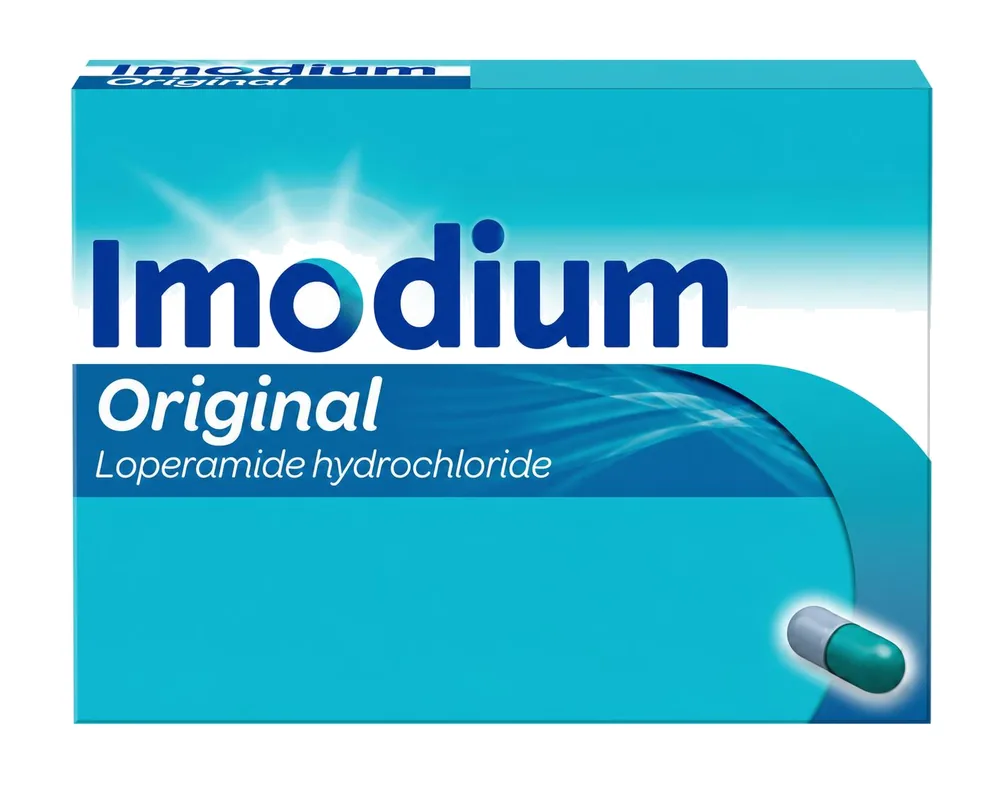
Imodium 2 mg Capsules
Quickly controls acute diarrhoea and relieves associated stomach cramps so you can get...
only £5.49
View ›
P
Imodium 2 mg Capsules
Quickly controls acute diarrhoea and relieves associated stomach cramps so you can get...
only £5.49
View ›
 P
Loperamide 2 mg Capsules
Loperamide 2 mg capsules are used for the treatment of acute diarrhoea
from £1.99
View ›
P
Loperamide 2 mg Capsules
Loperamide 2 mg capsules are used for the treatment of acute diarrhoea
from £1.99
View ›
 GSL
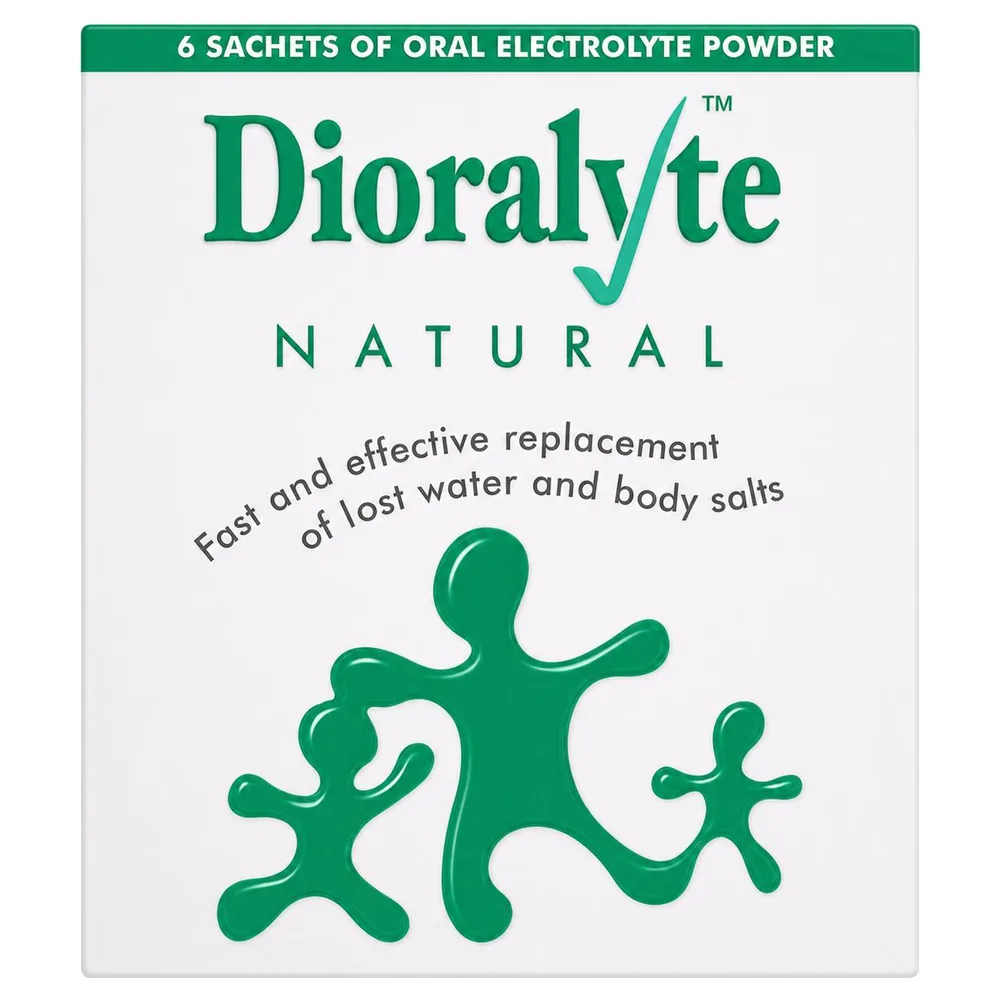
Dioralyte Rehydration Sachets
Replaces fluids and electrolytes lost through diarrhoea and vomiting
from £4.99
View ›
GSL
Dioralyte Rehydration Sachets
Replaces fluids and electrolytes lost through diarrhoea and vomiting
from £4.99
View ›
P
Imodium 2 mg Capsules
Quickly controls acute diarrhoea and relieves associated stomach cramps so you can get...
only £5.49
View ›
P
Loperamide 2 mg Capsules
Loperamide 2 mg capsules are used for the treatment of acute diarrhoea
from £1.99
View ›
GSL
Dioralyte Rehydration Sachets
Replaces fluids and electrolytes lost through diarrhoea and vomiting
from £4.99
View ›
Travellers' Diarrhoea — your questions, answered
How should I treat it?
Fluids come first — keep drinking, and use Dioralyte rehydration sachets to replace the salts and water you're losing, especially in hot climates. Loperamide (Imodium) can calm symptoms when you have to travel or be away from a toilet. Eat plain food when you feel able to. Most cases clear up without antibiotics.
Should I carry stand-by antibiotics?
For most holidays, no — sensible food and water precautions plus rehydration cover it. For remote or higher-risk trips where medical help would be hard to reach, azithromycin is a prescription stand-by option our pharmacist can discuss and supply after a travel consultation, so you carry it just in case.
How do I avoid it in the first place?
Be careful with what you eat and drink where hygiene is uncertain: stick to bottled or boiled water (including for brushing your teeth), avoid ice, salads and food that's been kept warm, and choose freshly cooked, piping-hot dishes. Washing your hands or using sanitiser before eating is one of the most effective precautions of all.
When should I get medical help?
Seek medical advice — locally if you're still abroad — if there's blood in your stools, you have a high fever or severe tummy pain, you can't keep fluids down, or the diarrhoea lasts more than a few days. Babies, young children, older people and anyone showing signs of dehydration should be seen sooner rather than later.
Information only — always read the patient leaflet and ask our pharmacist if you're unsure. Prescription treatments are supplied only after a consultation and our pharmacist's approval.