
Treatments & products
 GSL
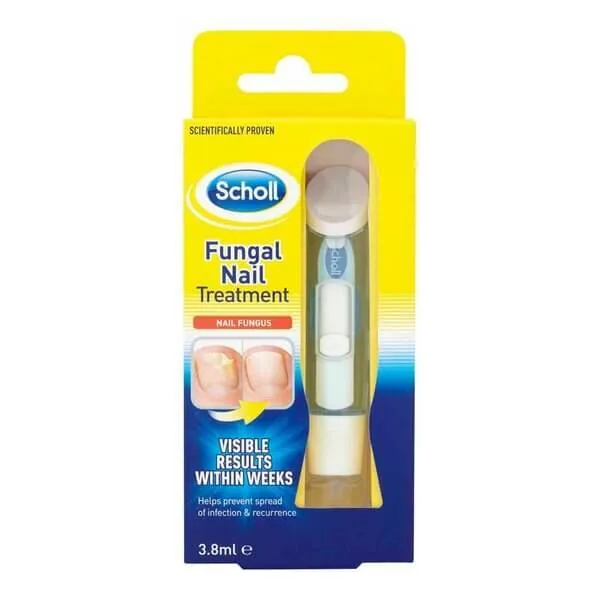
Scholl Fungal Nail Treatment 3.8ml
A topical solution for mild fungal nail infection, brushed onto the affected fingernail...
only £17.99
View ›
GSL
Scholl Fungal Nail Treatment 3.8ml
A topical solution for mild fungal nail infection, brushed onto the affected fingernail...
only £17.99
View ›
 GSL
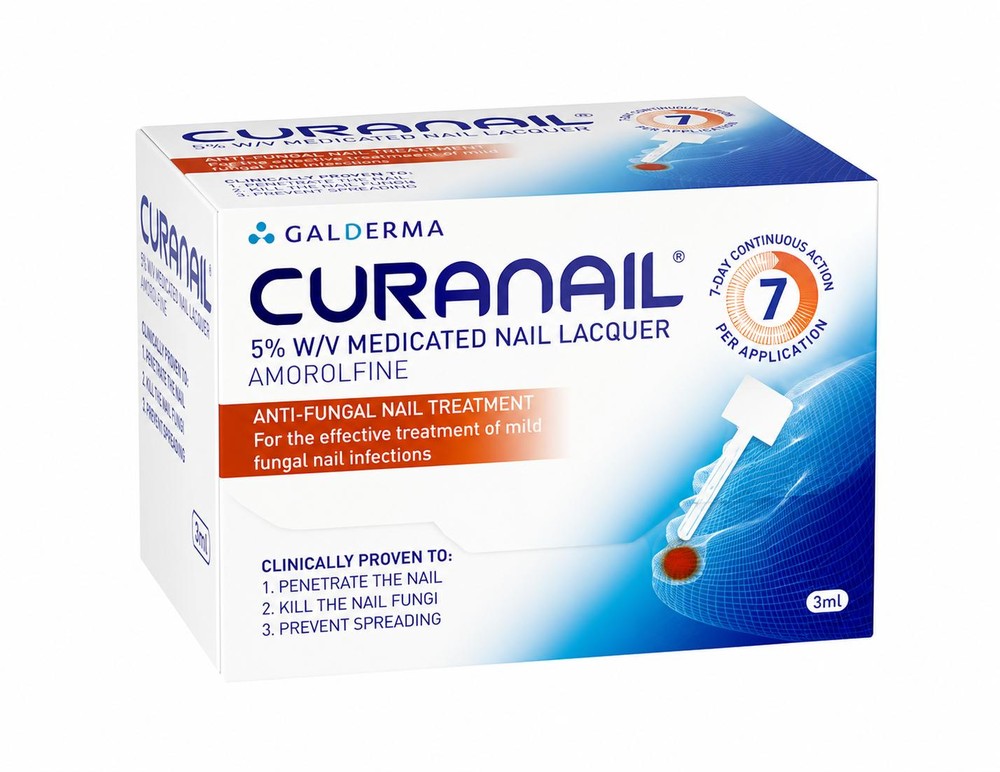
Curanail 5% Nail Lacquer (Amorolfine)
Weekly medicated lacquer for mild fungal nail infection affecting up to 2 nails.
from £20.49
View ›
GSL
Curanail 5% Nail Lacquer (Amorolfine)
Weekly medicated lacquer for mild fungal nail infection affecting up to 2 nails.
from £20.49
View ›
 GSL
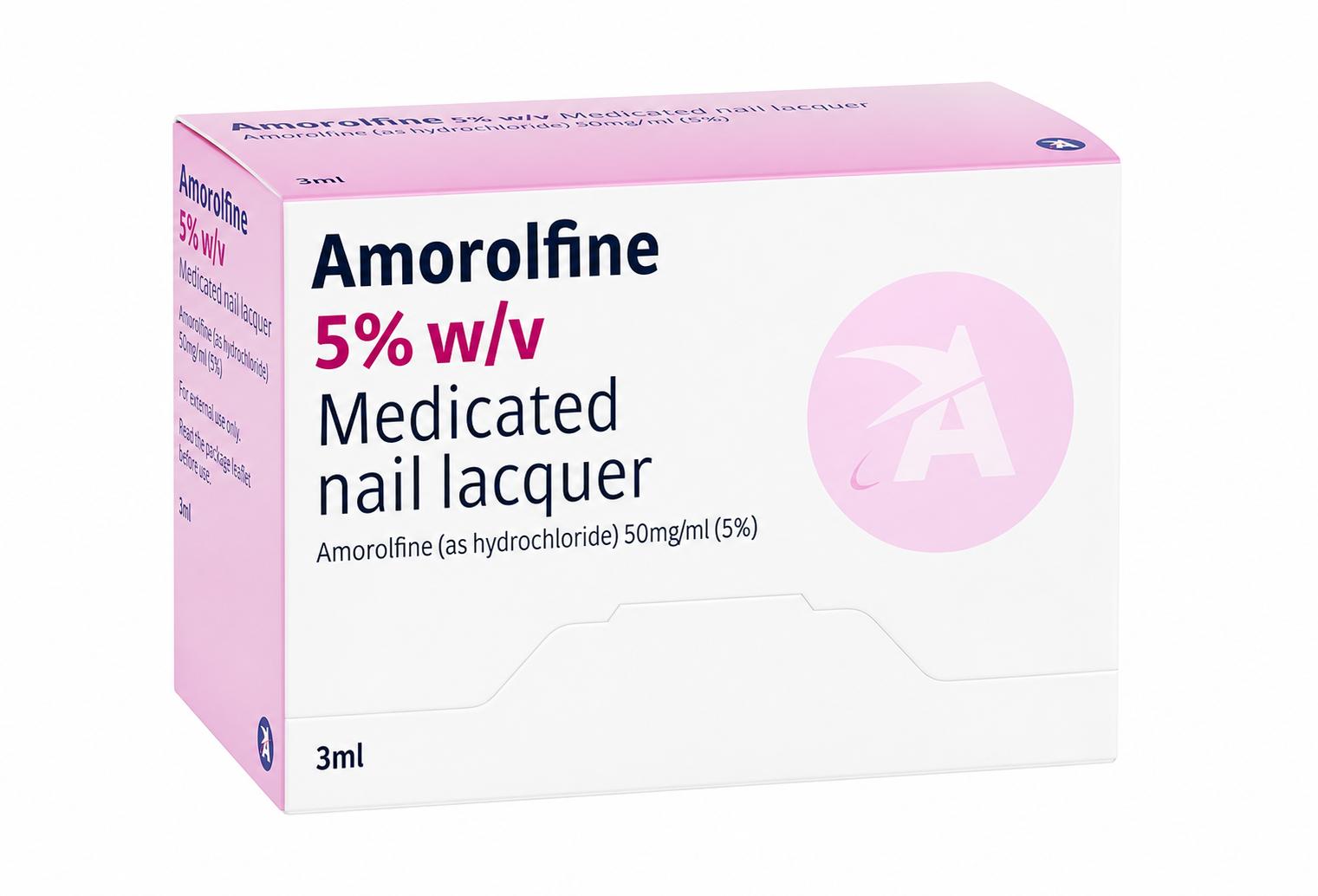
Amorolfine 5% Medicated Nail Lacquer
Medicated nail lacquer containing amorolfine 5% w/v, licensed OTC for mild fungal nail...
from £15.49
View ›
GSL
Amorolfine 5% Medicated Nail Lacquer
Medicated nail lacquer containing amorolfine 5% w/v, licensed OTC for mild fungal nail...
from £15.49
View ›
 GSL
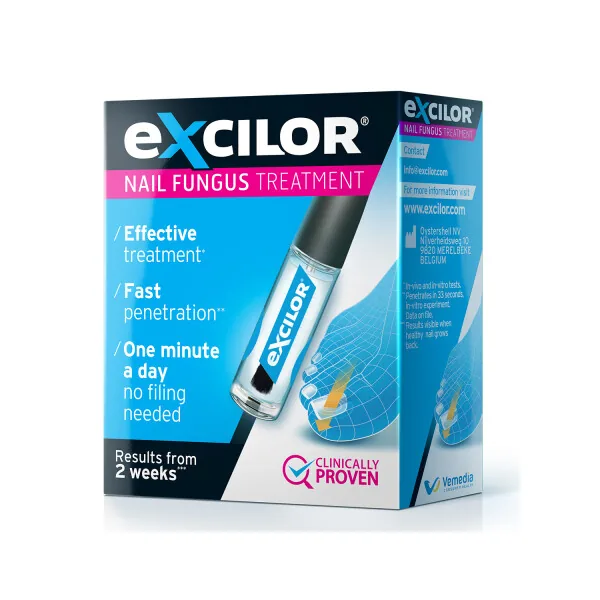
Excilor Fungal Nail Solution 3.3ml
Excilor Fungal Nail Solution penetrates the nail and makes the nail bed more acidic, so...
only £17.49
View ›
GSL
Excilor Fungal Nail Solution 3.3ml
Excilor Fungal Nail Solution penetrates the nail and makes the nail bed more acidic, so...
only £17.49
View ›
 P
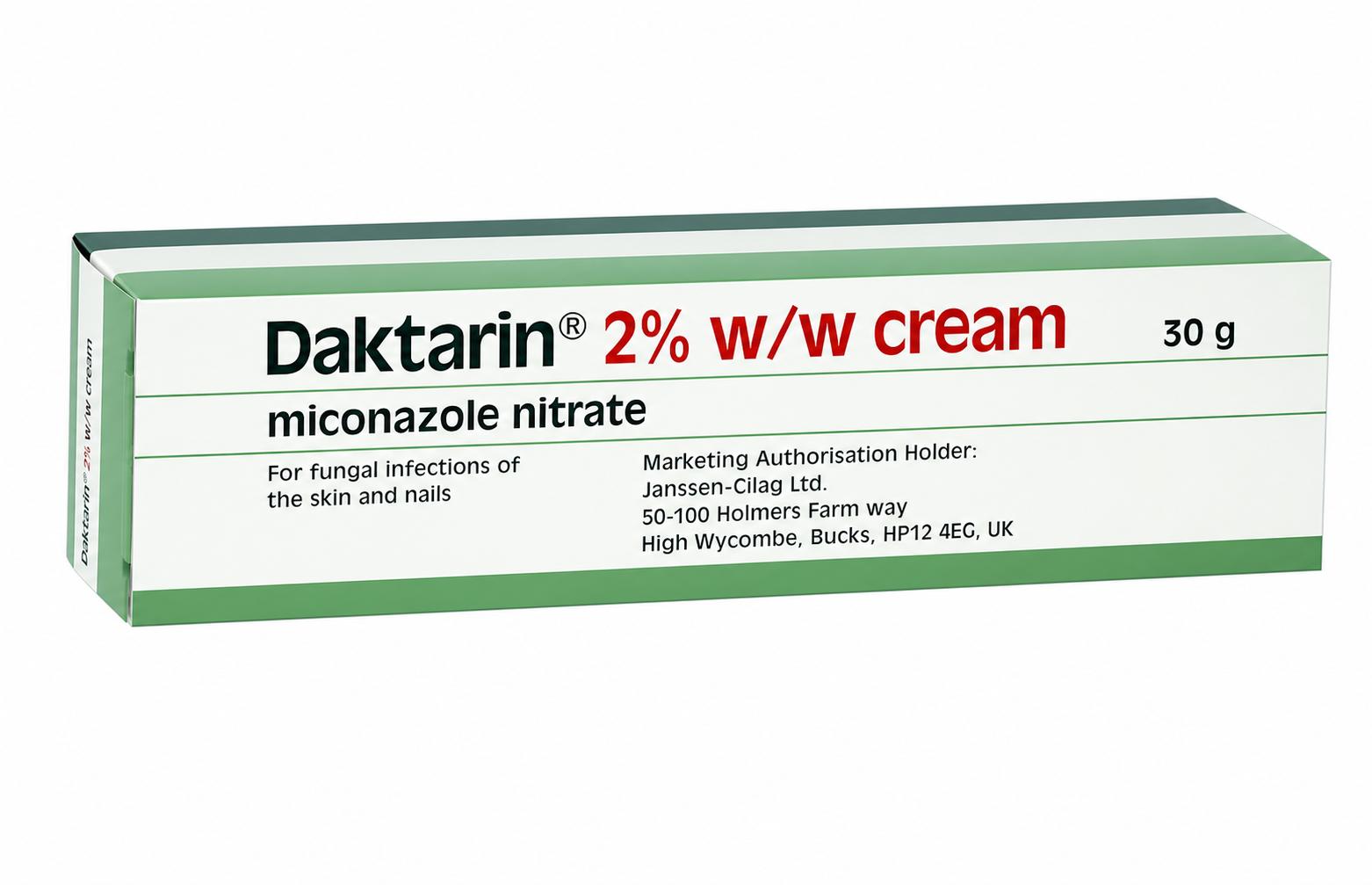
Daktarin 2% Cream
Antifungal cream containing miconazole nitrate 2% w/w, licensed for fungal infections...
from £8.99
View ›
P
Daktarin 2% Cream
Antifungal cream containing miconazole nitrate 2% w/w, licensed for fungal infections...
from £8.99
View ›
Nail Infection — your questions, answered
How do I know if I have a fungal nail infection?
The nail gradually becomes thickened, discoloured (white, yellow or brownish) and brittle or crumbly. It's usually painless at first and often starts at the edge of a toenail. Fungal nail infections frequently follow untreated athlete's foot, so check the skin between your toes too — our antifungal page covers that.
How is a fungal nail infection treated?
Mild infections affecting one or two nails can be treated with a weekly medicated nail lacquer such as Curanail or amorolfine 5%, available from the pharmacy. It works by killing the fungus in the nail as the healthy nail grows out. Our pharmacist can check a lacquer is suitable for your nails first.
How long does nail treatment take?
Be patient — nails grow slowly, so treatment continues until the healthy nail has fully grown out. That typically means around six months for fingernails and nine to twelve months for toenails. The infection is only gone once the new nail looks normal all the way through.
Do fungal nail infections go away on their own?
Rarely — left alone they tend to spread slowly along the nail and sometimes to other nails. That said, a mild infection that isn't bothering you doesn't always need treating. If it's spreading, uncomfortable or you'd simply like rid of it, starting early helps — smaller infections clear more reliably.
When should I see a GP?
See your GP if the nail is painful or badly damaged, or the infection involves several nails — oral antifungal tablets are prescription-only and may suit severe infections better. Also get advice promptly if you have diabetes, as foot problems need closer care, or if pharmacy treatment hasn't helped.
Information only — always read the patient leaflet and ask our pharmacist if you're unsure. Prescription treatments are supplied only after a consultation and our pharmacist's approval.
Related guides
Fungal Nail Infection: What Actually Works and How Long It Takes