

Treatments & products
 POM
Malaria tablets
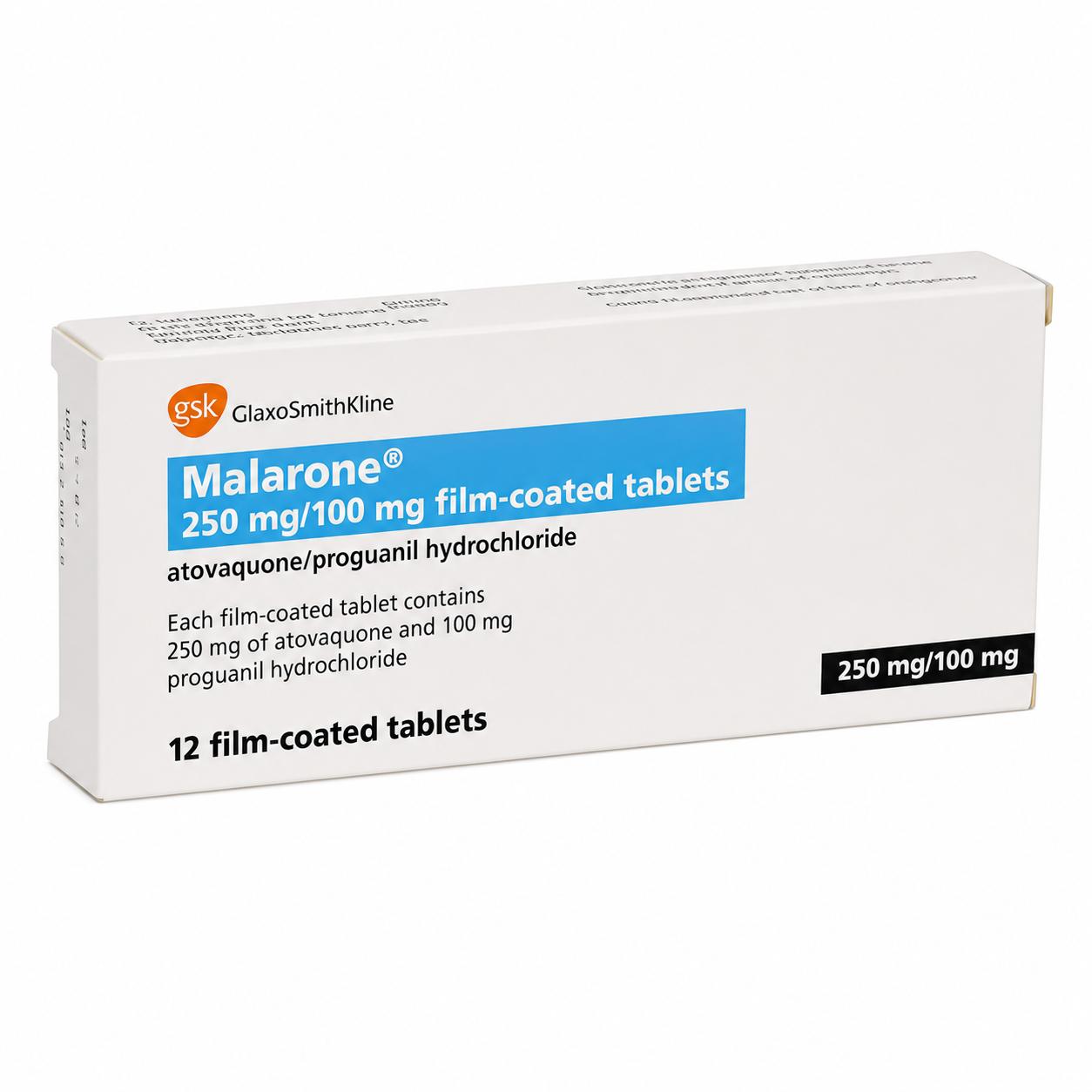
Travel malaria prevention options such as Malarone or doxycycline, chosen after a...
From £20
View treatment ›
POM
Malaria tablets
Travel malaria prevention options such as Malarone or doxycycline, chosen after a...
From £20
View treatment ›
 P
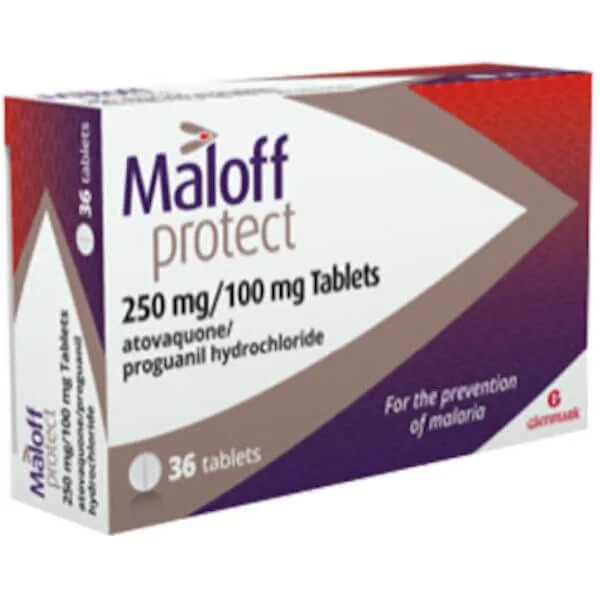
Maloff Protect 250mg/100mg Tablets 24
Maloff Protect is a once-a-day pharmacy antimalarial tablet (atovaquone and proguanil)...
from £43.99
View ›
P
Maloff Protect 250mg/100mg Tablets 24
Maloff Protect is a once-a-day pharmacy antimalarial tablet (atovaquone and proguanil)...
from £43.99
View ›
Anti-Malaria — your questions, answered
Do I need malaria tablets for my trip?
It depends where you're going — malaria is found in large parts of Africa, Asia, and Central and South America, and the risk varies by country, region and even season. During a travel-health assessment our pharmacist checks your exact itinerary against current UK guidance and tells you whether tablets are recommended for your trip.
Which malaria tablets would I be given?
The common options include atovaquone with proguanil (Malarone) and doxycycline — both prescription medicines. Which one suits you depends on your destination, your medical history, any other medicines you take and how long you're away, so our pharmacist recommends the right one for you after a consultation rather than a one-size-fits-all choice.
Do malaria tablets protect me completely?
No tablet is 100% effective, so bite prevention matters just as much: use a good insect repellent containing DEET, cover up with long sleeves and trousers around dusk and dawn, and sleep under an insecticide-treated mosquito net where rooms aren't screened. Take your tablets exactly as directed and finish the full course — stopping early leaves you unprotected.
What if I feel unwell after visiting a malaria area?
Take it seriously. Malaria can develop up to a year after you get home, and the early symptoms — fever, chills, headache, sweats and aching — can feel just like flu. If you become unwell during or after travel to a malaria area, get urgent medical advice and make sure you tell them where you've been.
Information only — always read the patient leaflet and ask our pharmacist if you're unsure. Prescription treatments are supplied only after a consultation and our pharmacist's approval.