
Treatments & products
 POM
Otomize ear spray
Ear spray for outer-ear infection (adults 18+)
From £11.29
Book a visit ›
POM
Otosporin ear drops
Ear drops for outer-ear infection (adults 18+)
Book a visit ›
POM
Otomize ear spray
Ear spray for outer-ear infection (adults 18+)
From £11.29
Book a visit ›
POM
Otosporin ear drops
Ear drops for outer-ear infection (adults 18+)
Book a visit ›
 NHS
NHS earache treatment (children 1-17) - free
Children aged 1-17 with earache can be assessed in pharmacy free under NHS Pharmacy First.
Free NHS service
Check eligibility ›
NHS
NHS earache treatment (children 1-17) - free
Children aged 1-17 with earache can be assessed in pharmacy free under NHS Pharmacy First.
Free NHS service
Check eligibility ›
 P
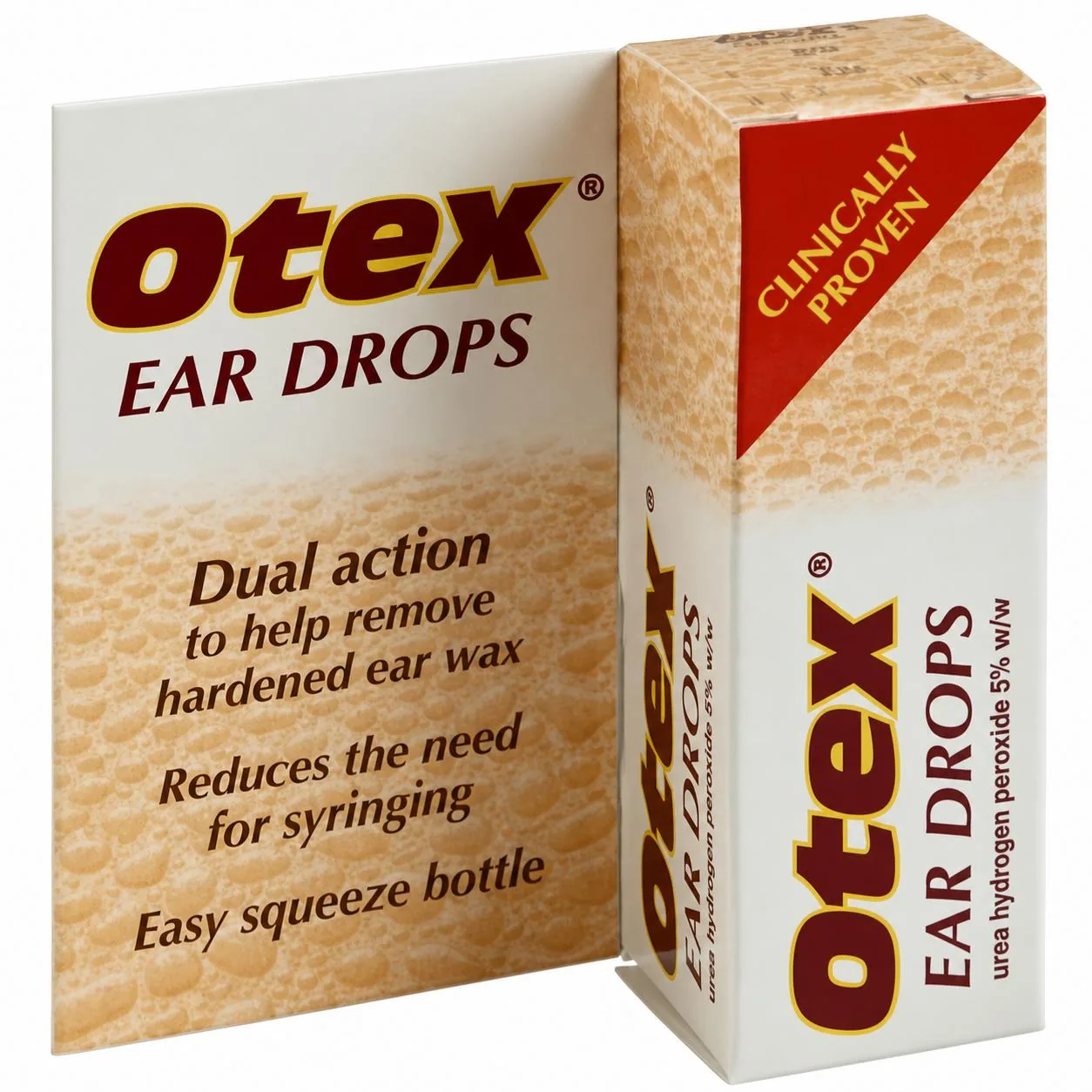
Otex Ear Drops (Urea Hydrogen Peroxide 5%)
Otex Ear Drops contain urea hydrogen peroxide 5% w/w and are licensed for the removal...
from £4.99
View ›
P
Otex Ear Drops (Urea Hydrogen Peroxide 5%)
Otex Ear Drops contain urea hydrogen peroxide 5% w/w and are licensed for the removal...
from £4.99
View ›
 P
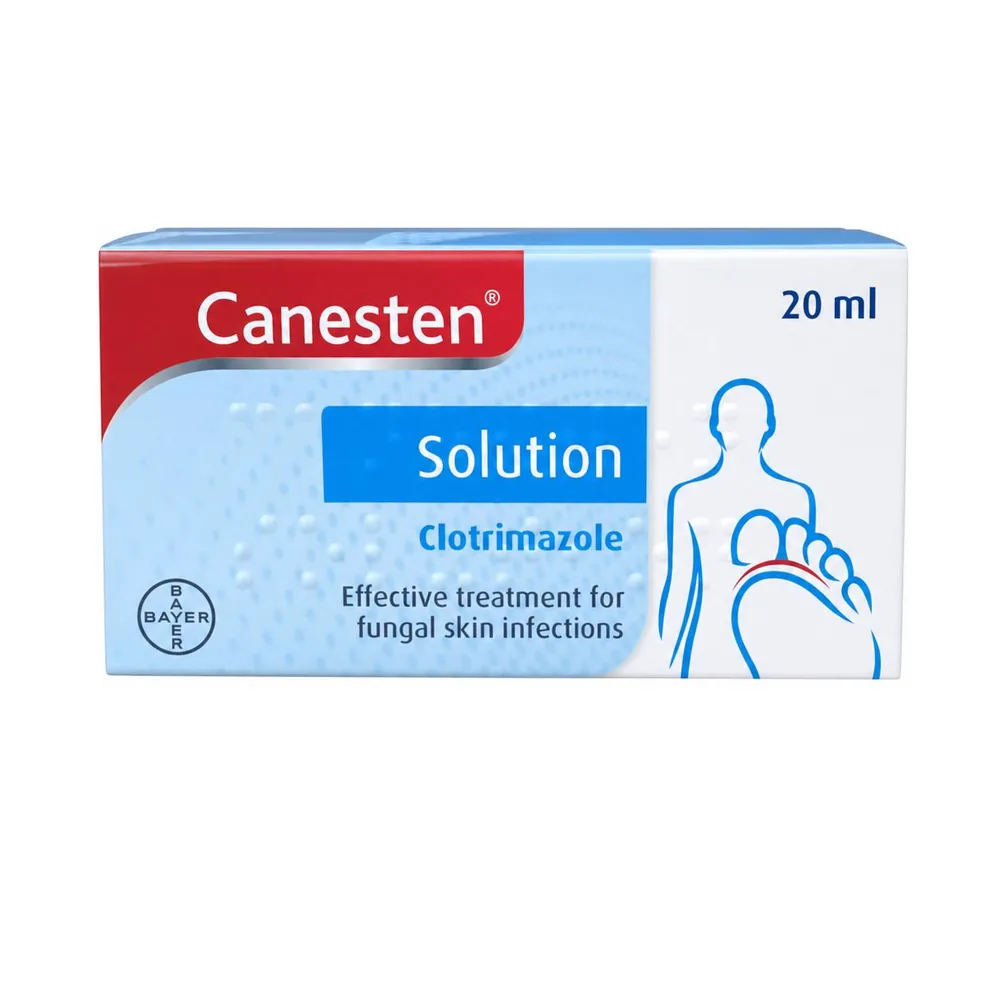
Canesten 1% Solution
Canesten 1% Solution is a clotrimazole antifungal liquid for fungal skin infections...
only £6.49
View ›
P
Canesten 1% Solution
Canesten 1% Solution is a clotrimazole antifungal liquid for fungal skin infections...
only £6.49
View ›
Ear Infection — your questions, answered
Can I get ear infection treatment without seeing my GP?
Yes. Children aged 1–17 with earache can be assessed free under NHS Pharmacy First — our pharmacist examines the ear and can supply NHS treatment where it's needed. For adults 18 and over with an outer-ear infection, our private ear infection treatment service includes an otoscope examination, with prescription drops or spray supplied only if suitable.
Will an ear infection clear up on its own?
Often, yes. Most ear infections start to improve within about three days and clear without antibiotics — the body fights them off itself. Paracetamol or ibuprofen ease the pain in the meantime, and holding a warm or cold flannel against the ear can help. If it isn't settling after three days, get it assessed.
What's the difference between an outer and a middle ear infection?
A middle-ear infection (otitis media) sits behind the eardrum, often follows a cold, and is most common in children. An outer-ear infection (otitis externa) affects the ear canal itself, is more common in adults, and is often linked to swimming or scratching the canal. They're treated differently — which is why an examination matters.
When should I get urgent help for an ear infection?
Get urgent advice — your GP or NHS 111 — if there's swelling or redness behind the ear, fluid or discharge coming from the ear, hearing loss, a very high temperature, or the person seems very unwell. Children under two with earache in both ears, and anyone not improving after three days, should also be seen.
How can I stop ear infections coming back?
Keep ears dry — dry them gently after swimming or showering — and avoid poking cotton buds or fingers into the ear canal, which irritates the skin and lets infection in. If you swim a lot, earplugs or a swimming hat over the ears can help. Infections that keep returning are worth discussing with our pharmacist or your GP.
Information only — always read the patient leaflet and ask our pharmacist if you're unsure. Prescription treatments are supplied only after a consultation and our pharmacist's approval.