
 Image is illustrative and does not show Hyde Park Pharmacy premises or staff.
A cold or flu can leave you feeling rough, and the pharmacy shelf is crowded with remedies that look alike. This guide covers what the NHS says helps, what you can skip, how the well-known products differ, and when to get help.
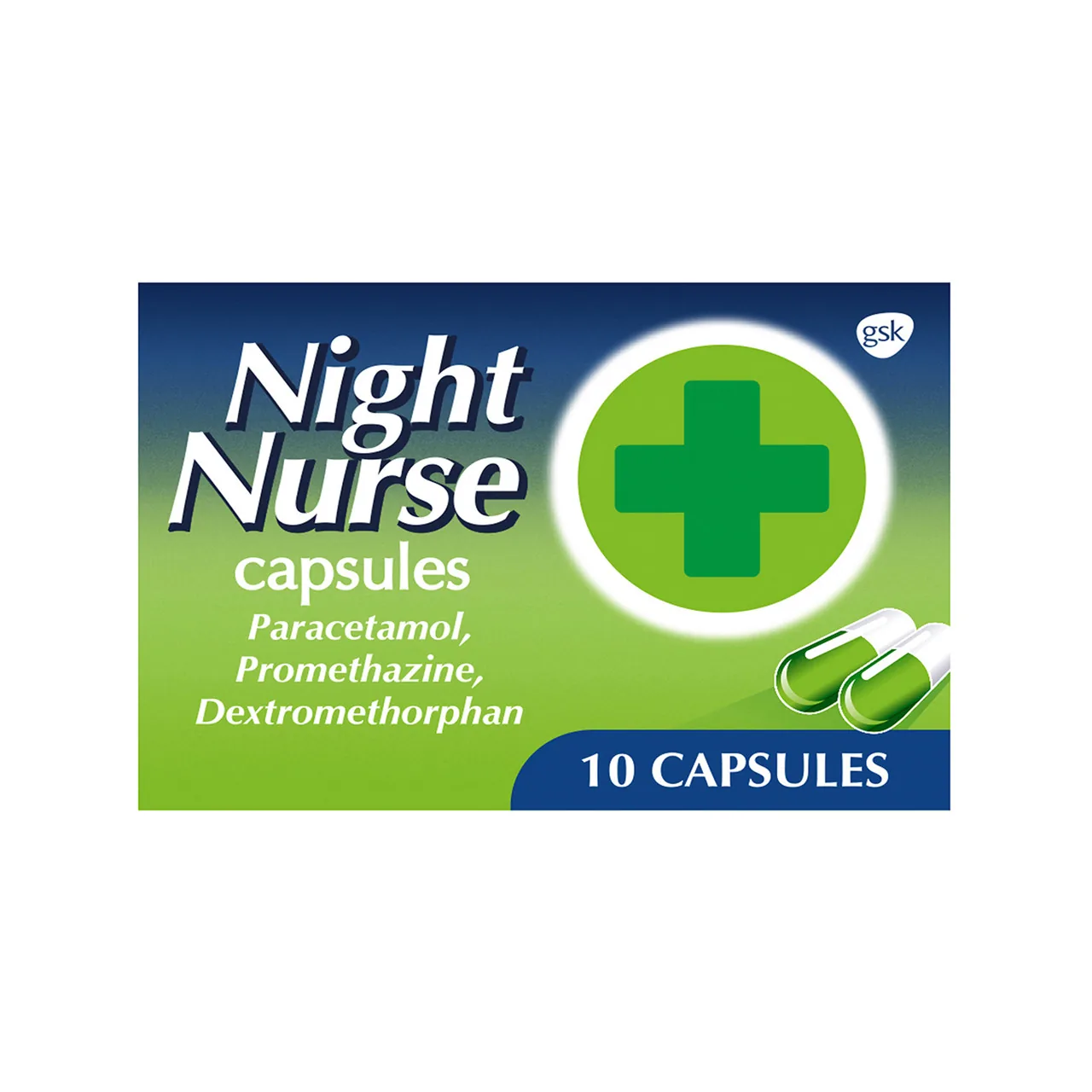
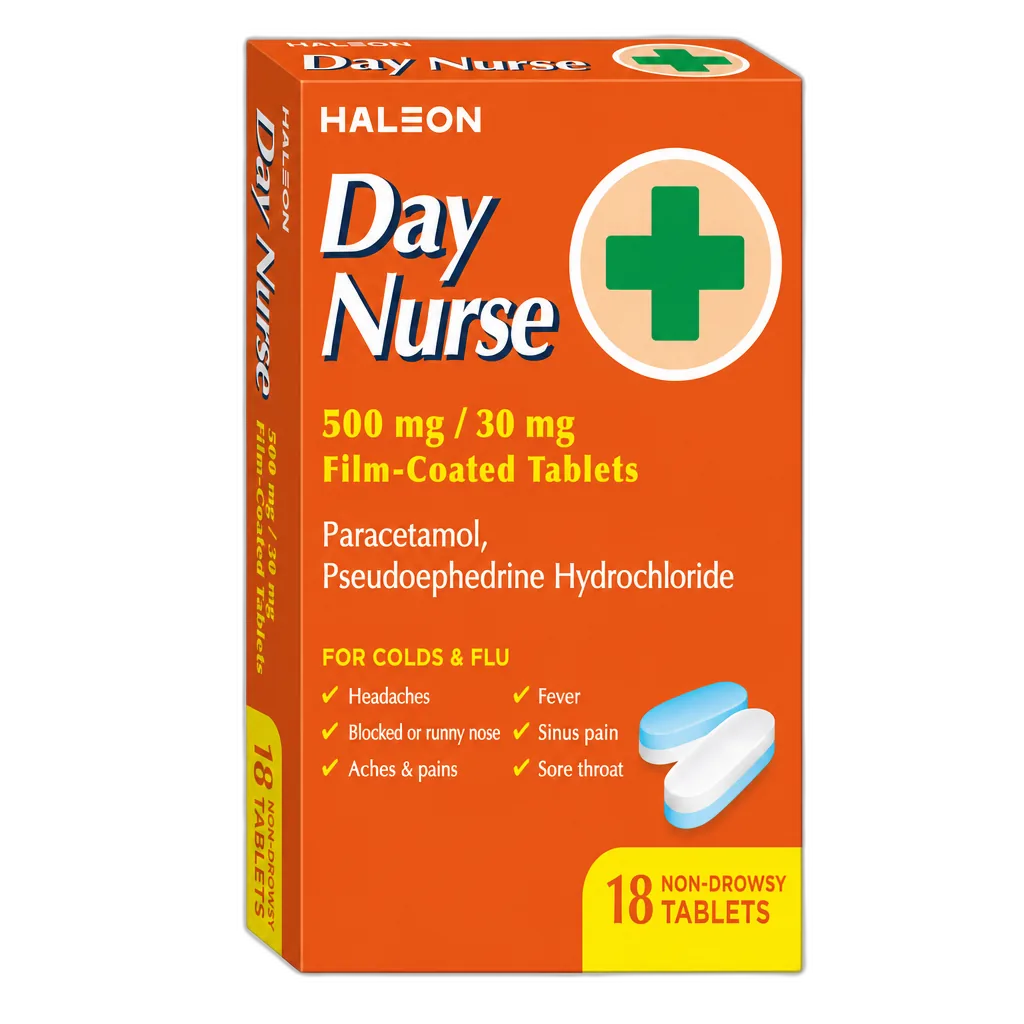
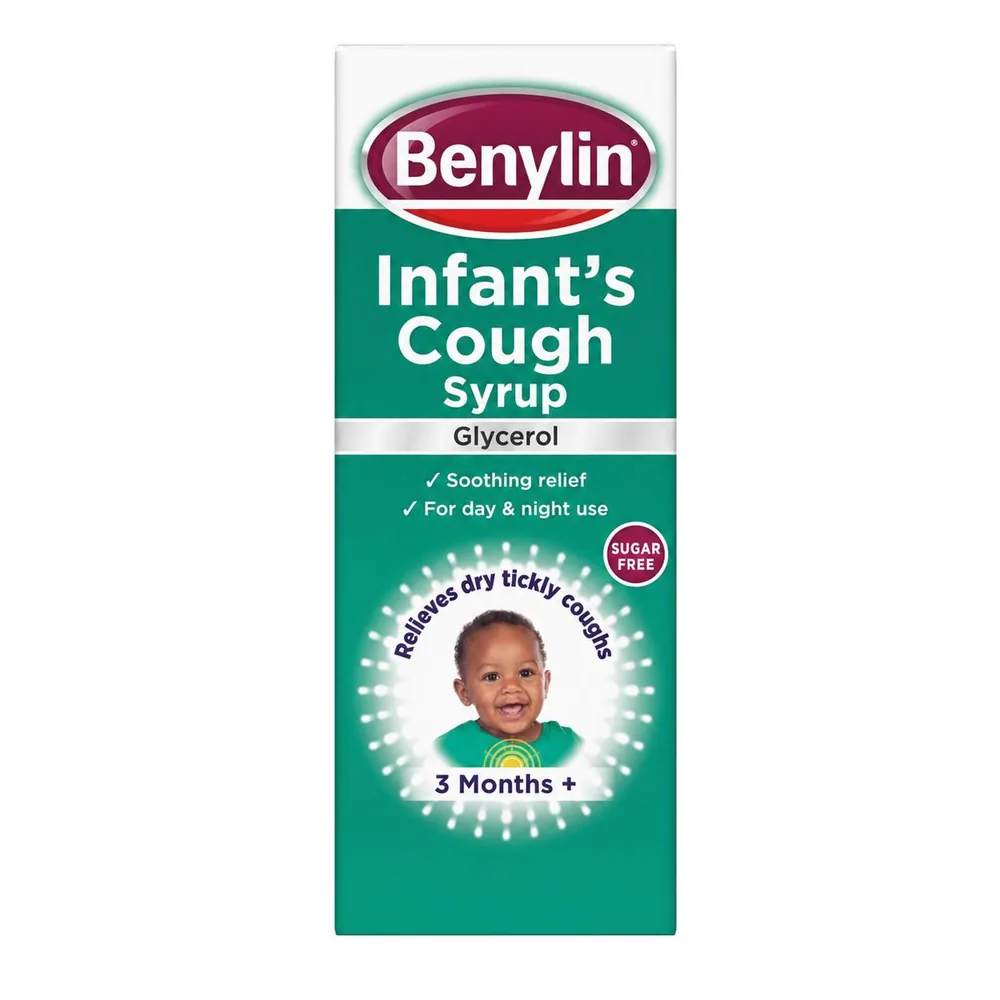
Night Nurse Cold & Flu Day Nurse Cold & Flu Benylin Infant's Cough Syrup 125ml
Cold or flu: what is the difference?
Both are caused by viruses. The NHS says the symptoms are similar, but flu tends to be more severe. A cold appears gradually and mainly affects your nose and throat. Flu appears quickly, within a few hours, and makes you feel exhausted and too unwell to carry on as normal.
With a cold, the NHS says you should begin to feel better in about 1 to 2 weeks.
What actually helps
The NHS advice for colds and flu is simple:
- Rest and sleep.
- Drink plenty of fluid, such as water, to avoid dehydration.
- Paracetamol or ibuprofen to ease aches or lower a temperature.
- A hot lemon and honey drink to soothe a sore throat. Do not give honey to children under 12 months old, or hot drinks to small children.
- Gargling salt water for a sore throat (not suitable for children).
- Steam for a blocked nose. The NHS suggests sitting in the bathroom with a hot shower running.
- Decongestant sprays, drops or tablets to unblock your nose. They should not be used by children under 6. The MHRA says nasal decongestant sprays and drops containing xylometazoline or oxymetazoline should not be used for more than 5 consecutive days. Always follow the leaflet that comes with your product.
You can browse remedies on our Cold & Flu page.
What to skip
- Antibiotics. The NHS says GPs do not recommend them for colds or flu, because they will not relieve your symptoms or speed up your recovery.
- Supplements as a cure. The NHS says there is little evidence that vitamin C, echinacea or garlic prevent colds or speed up recovery.
- Doubling up on paracetamol. Do not take paracetamol and flu remedies that contain paracetamol at the same time.
- Aspirin for children. Do not give aspirin to children under 16.
- Smoking. It can make your symptoms worse.
Who needs extra care
The NHS says some cough and cold medicines are not suitable for babies, children and pregnant women. Always check the patient leaflet or ask a pharmacist first.
With flu symptoms, the NHS says to ask for an urgent GP appointment or get help from NHS 111 if you are 65 or over, pregnant or have recently given birth, have a long-term medical condition or a weakened immune system. The NHS offers a flu vaccine every year to some adults and children at higher risk.
The well-known remedies compared
These products ease symptoms. They do not cure a cold or flu. The details below come from each product's official product information.
| Product | Active ingredients | Age limit | How long |
|---|---|---|---|
| Night Nurse (liquid, capsules) | Paracetamol, promethazine, dextromethorphan | Not under 16 except on medical advice | No more than 3 days without medical advice |
| Day Nurse (tablets) | Paracetamol, pseudoephedrine | Not under 12 | No more than 5 days |
| Benylin Day & Night Tablets | Day: paracetamol, pseudoephedrine. Night: paracetamol, diphenhydramine | Not recommended under 12 | See the patient leaflet |
| Beechams All-In-One Tablets | Paracetamol, guaifenesin, phenylephrine | Not under 12 | No more than 5 days without asking your doctor |
| Benylin Infant's Cough Syrup (product information) | Glycerol | Not under 3 months | See a doctor if symptoms last more than 3 days or get worse |
Benylin Infant's Cough Syrup is for dry tickly coughs in children from 3 months to 5 years. It must not be used by children with hereditary fructose intolerance, and the glycerol may affect blood sugar in diabetes.
What to watch for
Night Nurse may cause drowsiness. Its product information says do not drive or operate machinery if affected, and avoid alcoholic drink. It must not be taken by people with, or at risk of, respiratory failure, or by anyone who has taken a monoamine oxidase inhibitor (MAOI) antidepressant in the last two weeks. It should not be used in pregnancy or when breastfeeding without medical advice.
Day Nurse contains a decongestant. Its product information says it must not be used with severe or uncontrolled high blood pressure, heart disease, an overactive thyroid, glaucoma, an enlarged prostate or severe kidney disease, or with beta-blockers or MAOIs. It is not recommended during pregnancy and should not be used when breastfeeding.
See a GP about a cold if
The NHS list includes: a high temperature for more than 3 days, symptoms that get worse or do not get better after 10 days, a cough for more than 3 weeks, feeling short of breath or having chest pain, or being worried about your child's symptoms.
Get urgent help with flu if
Ask for an urgent GP appointment or contact NHS 111 if you feel very unwell, feel short of breath, your symptoms do not improve after 7 days, or you are worried about your baby's or child's symptoms. Call 999 or go to A&E if you get sudden chest pain, have severe difficulty breathing or start coughing up blood.
How we help at Hyde Park Pharmacy
You do not need an appointment. Tell the pharmacist your symptoms, how long you have had them, any conditions you have and the medicines you take. The pharmacist will review this and decide which remedy, if any, is suitable, or whether you should see a GP instead. When you order a pharmacy medicine online, your responses are passed to the pharmacist, who makes the final decision.
Frequently asked questions
Can I take Day Nurse and Night Nurse on the same day?
Day Nurse and Night Nurse are two separate medicines, and both contain paracetamol. Each one's official product information warns against using other paracetamol-containing or cold and flu products alongside it. Ask a pharmacist before using both in the same day.
Does Night Nurse medicine come as tablets, capsules or liquid?
The official product information lists Night Nurse as a liquid and as capsules. Both are taken at bedtime only: one 20 ml dose of liquid, or two capsules. Only one dose should be taken per night.
What is in Benylin Day & Night?
The pack holds two different tablets. The product information says the day tablet contains paracetamol and pseudoephedrine, and the night tablet contains paracetamol and diphenhydramine, which may cause drowsiness. Do not take the night tablets during the day.
What is in Beechams cold and flu remedies?
Beechams is a range, and the ingredients differ between products. Beechams All-In-One Tablets, for example, contain paracetamol, guaifenesin and phenylephrine and are not for children under 12. Read the leaflet for the exact product you have.
Is Menopace Night a cold and flu remedy?
No. Despite the similar name, its maker describes Menopace as a range of supplements for during and after the menopause. It is not a cold or flu medicine.
Not sure which remedy is right?
Speak to a pharmacist. We are open Monday–Friday 8am–8pm, Saturday 10am–3pm and Sunday 10am–5pm.
Message us on WhatsApp Call 0113 244 1551Regulatory information
Hyde Park Pharmacy is the trading name of Pharmacareuk Ltd, 22-24 Woodsley Road, Leeds LS3 1DT. GPhC premises registration 9011727. Superintendent pharmacist: Shoyab Umarji (GPhC 2065619).
If you think a medicine has caused a side effect, you can report it through the MHRA Yellow Card scheme.
Sources
Where to get treatment
Our pharmacist can check what suits you. Every treatment is supplied only after a pharmacy consultation confirms it is appropriate.
 P
Night Nurse Cold & Flu Capsules
Night-time cold and flu relief with a sedating antihistamine to help you sleep through...
only £6.99
View ›
 P
Day Nurse Cold & Flu Tablets
Daytime cold and flu relief - tackles headache, fever, aches, sinus pain, sore throat and a...
only £6.99
View ›
 GSL
Benylin Infant's Cough Syrup 125ml
Benylin Infant's Cough Syrup is a gentle, apple-flavoured glycerol syrup that soothes dry...
only £4.39
View ›
This is general information. Always consult a qualified healthcare professional before starting any new treatment.