
 Image is illustrative and does not show Hyde Park Pharmacy premises or staff.
Paracetamol and ibuprofen are both common painkillers, but they carry different cautions. The right choice often comes down to your age, your health and your other medicines.
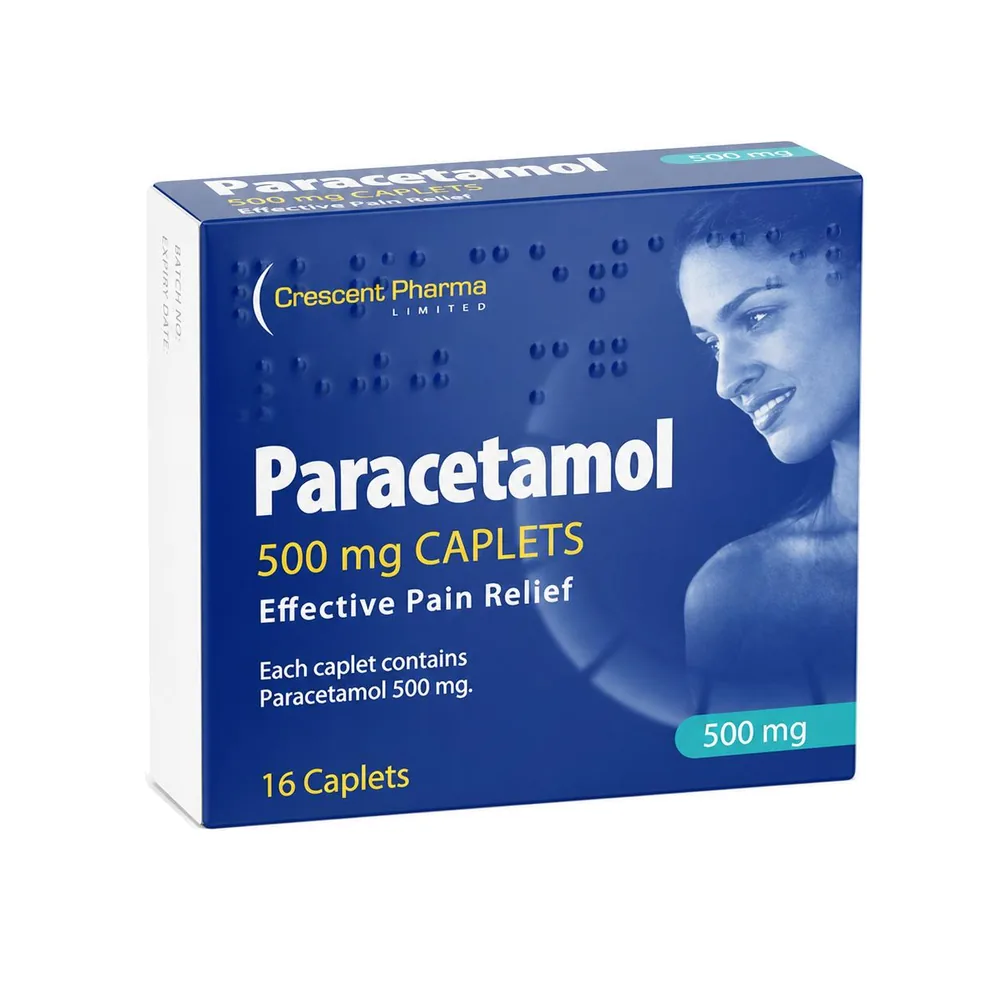
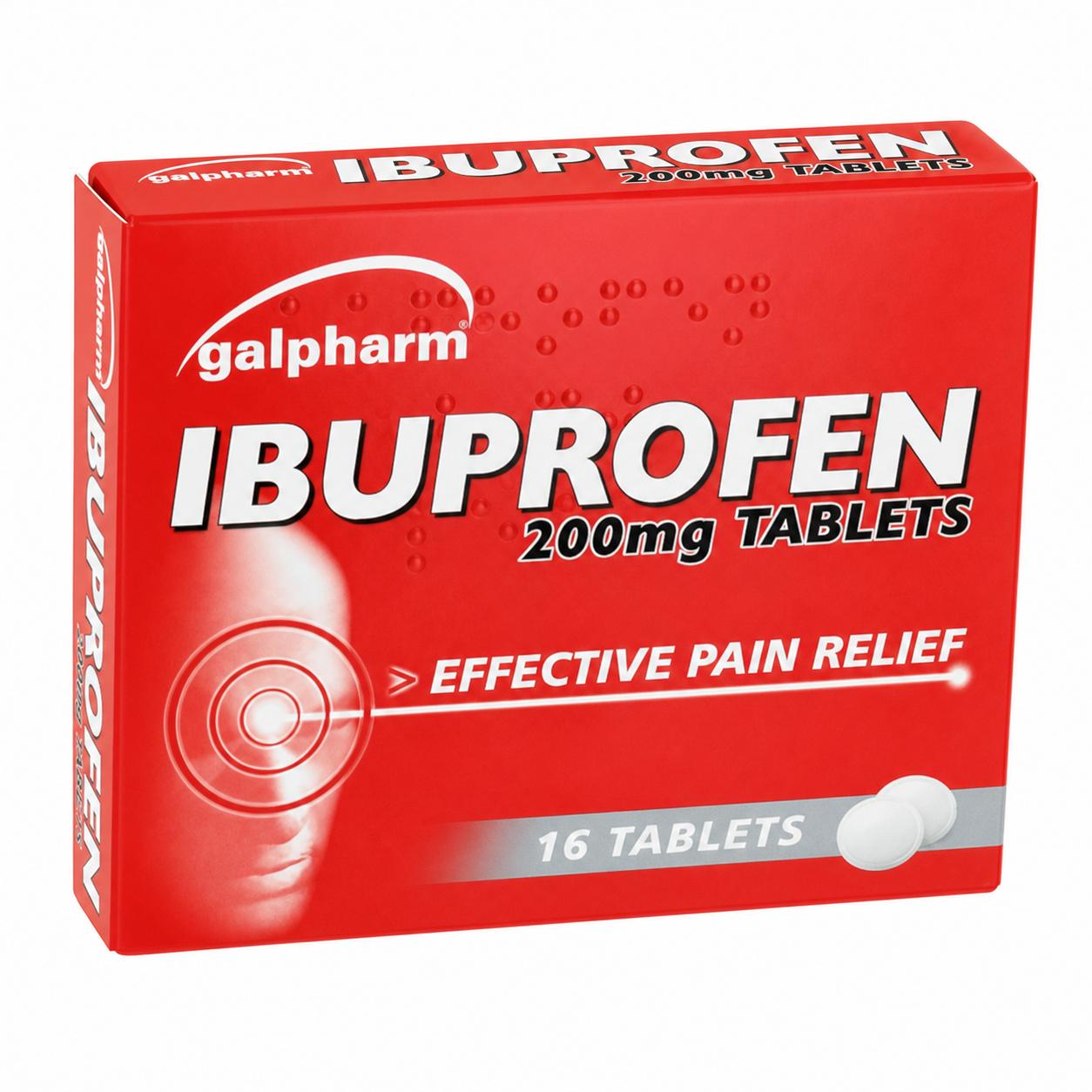
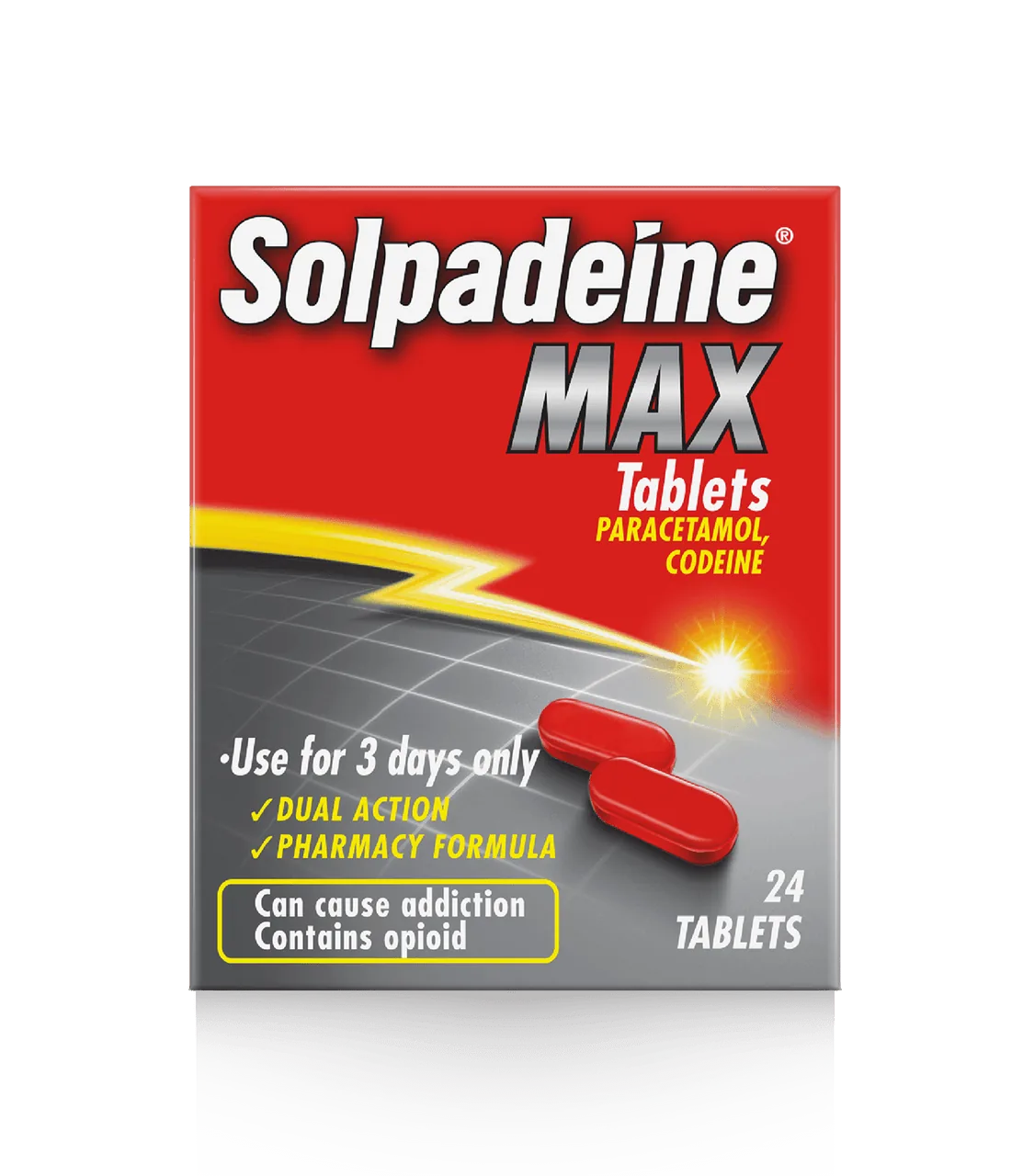
Paracetamol 500mg Tablets Ibuprofen 200mg Tablets Solpadeine Max 24 Tablets
What is the difference?
The NHS describes paracetamol as a painkiller that helps with pain and high temperature. Ibuprofen is a non-steroidal anti-inflammatory drug (NSAID) that helps relieve pain and reduce swelling, and can also reduce a high temperature. Our Pain Relief page lists the options we stock.
How much can adults take?
Take ibuprofen ideally with or after food, and swallow it whole with water. If you have 400mg ibuprofen tablets, the NHS dose is one at a time, with no more than 3 in 24 hours. If you weigh less than 50kg, you may need a lower paracetamol dose.
Do not take paracetamol alongside other medicines that contain it, such as cold and flu remedies. Adults can take paracetamol and ibuprofen together if needed, but the NHS suggests trying each alone first.
Who should check first?
Ask a pharmacist or doctor before taking paracetamol if you:
- have had an allergic reaction to it
- have a kidney or liver condition
- are dependent on alcohol or binge drink
Ask before taking ibuprofen if you:
- have reacted to ibuprofen, aspirin or another NSAID
- have or have had a stomach ulcer
- have asthma, allergies such as hay fever, or chickenpox
- have a heart, liver or kidney condition, or blood clotting problems
- have had a stroke
- are pregnant or trying to get pregnant
Side by side
| Paracetamol | Ibuprofen | |
|---|---|---|
| Food | With or without | Ideally with or after food |
| Pregnancy | The usual NHS choice | Avoid unless a doctor or pharmacist advises it |
| Youngest age | Over 2 months | Over 3 months |
The MHRA says to avoid NSAIDs from week 20 of pregnancy onwards unless a healthcare professional advises them.
Giving them to children
A child's dose depends on the type of medicine, their age and sometimes their weight. Our free children's paracetamol dose calculator (Calpol Infant and Calpol Six Plus) and children's ibuprofen dose calculator (Nurofen for Children and Calprofen) show the dose for your child's age from each medicine's licence; always check it against the leaflet. Our Children's Pain & Fever page lists what we stock.
Do not give ibuprofen to a child who has chickenpox or is dehydrated, or to a child with asthma unless a doctor recommends it. Do not give both medicines at the same time. Alternate them only if a health professional tells you to.
Call 111 if a baby under 3 months has a temperature of 38C or higher, or a baby aged 3 to 6 months has 39C or higher. Call 999 for a rash that does not fade under a glass, a stiff neck, difficulty breathing, or a child who is drowsy and hard to wake. See the full NHS list.
Side effects and when to get help
Common ibuprofen side effects include indigestion, stomach aches, feeling sick and headaches. Adults should call NHS 111 if they think they have serious side effects, such as vomiting blood, black tar-like poo or blood in their pee. For a child taking ibuprofen, call 999 if you think they have a stomach ulcer; symptoms include vomiting blood and black, sticky poo. Anaphylaxis, a severe allergic reaction, is an emergency: call 999.
If you have taken more paracetamol than the packet says, get help from NHS 111. See a GP if pain gets worse or does not go away.
Painkillers containing codeine
Some pharmacy painkillers add codeine or a similar opioid. Solpadeine Max (our product page) combines paracetamol and codeine, so never take it with another paracetamol product. The MHRA says these are for short-term acute, moderate pain not relieved by paracetamol, ibuprofen or aspirin alone, and can cause addiction if used continuously for more than three days. Breastfeeding mothers should not use codeine.
How our pharmacist can help
Ask us in the pharmacy, by phone or on WhatsApp. Tell us who the medicine is for, their age, any health conditions, other medicines, and any pregnancy or breastfeeding. For a child, have their weight and the bottle to hand. The pharmacist will review this and decide what is suitable, or advise you to see a GP.
Frequently asked questions
Is there a paracetamol calculator for a child's weight?
Our free children's paracetamol dose calculator covers Calpol Infant and Calpol Six Plus. It works by age rather than weight, as the packs do. Use the dose for that exact medicine, because strengths differ: the NHS gives 5ml of 120mg/5ml infant liquid for ages 6 to 23 months. Ask us if your child is small for their age.
What is Paramol?
Paramol tablets contain paracetamol 500mg and dihydrocodeine 7.46mg. It is not for children under 12, or in pregnancy or breastfeeding, and should not be taken for more than 3 days without medical review. Never combine it with other paracetamol products.
What is Anbesol Liquid for?
Its official product information lists temporary relief of pain from recurrent mouth ulcers and denture irritation, and teething pain from 5 months where non-medicine approaches have not helped enough. It contains lidocaine, so do not use it if allergic to amide-type anaesthetics or if you have porphyria. It is not recommended in pregnancy. For teething, do not use it for more than 7 days for each teething episode. For mouth ulcers or denture irritation, speak to a pharmacist or doctor if symptoms carry on for more than 7 days or keep coming back.
Is Flexiseq a painkiller?
The manufacturer describes a drug-free lubricant gel for joint health and says it does not claim to treat any medical condition. It is not advised for children, or in pregnancy unless your doctor considers it appropriate.
Not sure which one is suitable?
Message or call us. A pharmacist will review your situation and decide what is suitable.
WhatsApp a pharmacist Call 0113 244 1551Regulatory information
Hyde Park Pharmacy is operated by Pharmacareuk Ltd. GPhC premises registration 9011727. Superintendent pharmacist: Shoyab Umarji (GPhC 2065619). Report suspected side effects through the Yellow Card scheme.
Sources
Where to get treatment
Our pharmacist can check what suits you. Every treatment is supplied only after a pharmacy consultation confirms it is appropriate.
 GSL
Paracetamol 500mg Tablets
Paracetamol 500mg tablets for pain relief, supplied as a 16-tablet general-sale pack
from £0.99
View ›
 GSL
Ibuprofen 200mg Tablets
Ibuprofen 200mg tablets for pain relief, supplied as a 16-tablet general-sale pack
from £0.99
View ›
 P
Solpadeine Max 24 Tablets
A stronger over-the-counter painkiller for aches and pains that ordinary painkillers haven't...
only £7.99
View ›
This is general information. Always consult a qualified healthcare professional before starting any new treatment.